Diabetes is one of the most widespread chronic diseases in Morocco, affecting several million people, many without knowing it. It is characterised by excess blood sugar linked to a defect in insulin production or action. Well managed, diabetes allows a normal life; poorly controlled, it leads to serious complications.
Understanding the types of diabetes
There are two main forms. Type 1 diabetes often appears in children or young adults: the pancreas no longer produces insulin, and the patient depends on daily injections. Type 2 diabetes, by far the most common, usually appears in adulthood and is strongly linked to lifestyle. There is also gestational diabetes, which appears during pregnancy.
Preventing type 2 diabetes
Prevention relies on simple but effective measures: a balanced diet limiting fast sugars and sugary drinks; regular physical activity (at least 30 minutes of walking a day); maintaining a healthy weight; and quitting smoking. Regular blood sugar screening, especially after 40 or with a family history, helps detect the disease early.
The nurse's role in home follow-up
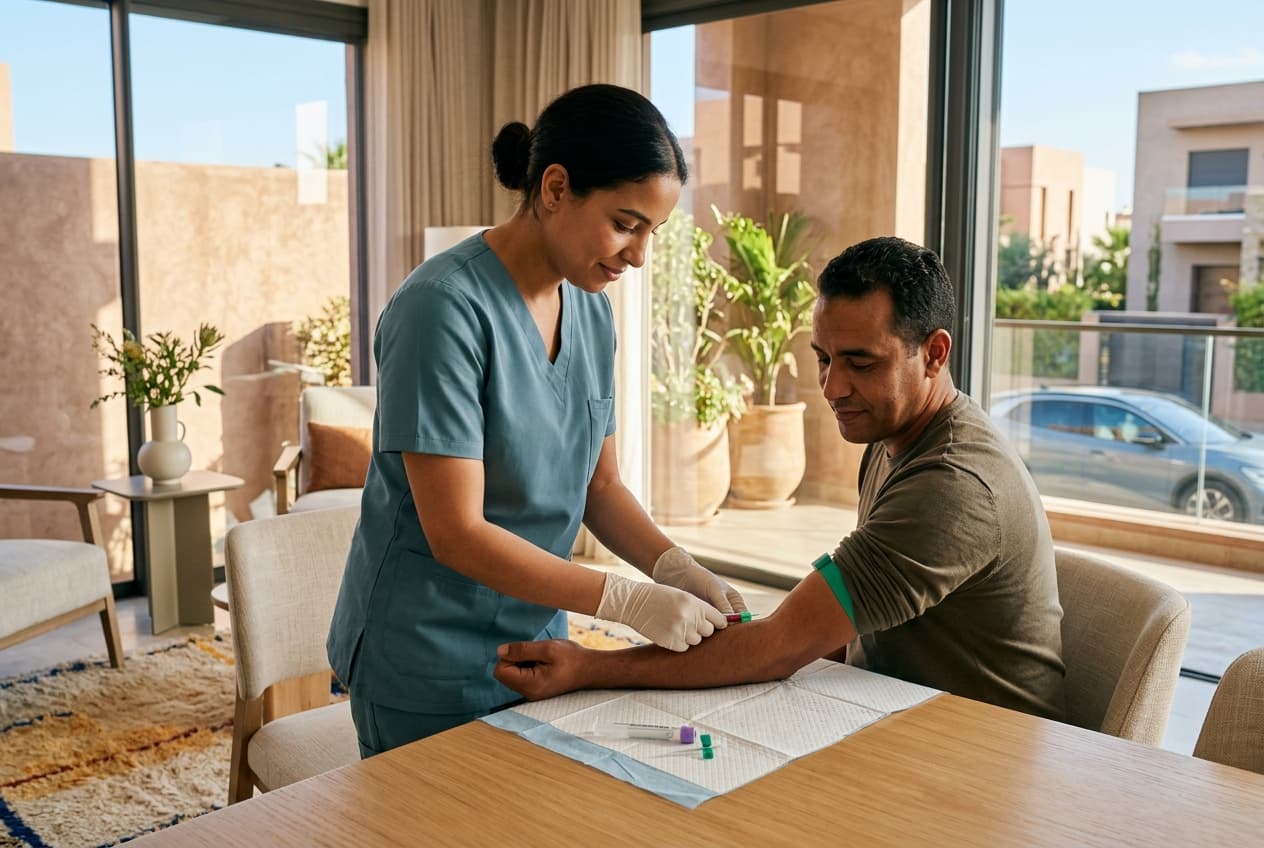
For many patients, home follow-up is valuable. The home nurse handles several tasks: blood sugar monitoring, insulin injections or assistance with them, checking vital signs, and monitoring complications, especially in the feet.
Foot monitoring: a major issue
The diabetic foot is a frequent and serious complication. Reduced sensitivity and poor circulation mean a small wound can become infected unnoticed. The nurse inspects the feet regularly and educates the patient. Early home wound care prevents many complications.
Therapeutic education
Living well with diabetes means understanding it. The nurse explains how to recognise hypoglycaemia (sweating, trembling, palpitations, confusion) and hyperglycaemia, how to adapt diet, and how to store and inject insulin correctly.
Coordinating follow-up with the doctor
Diabetes care is teamwork. The home nurse regularly transmits blood sugar readings to the attending physician, who adjusts treatment. Home blood tests monitor glycated haemoglobin (HbA1c). SAMU Rabat coordinates this follow-up across Rabat, Sale and Temara.
Important reminder: this article provides general health information. Adjusting diabetes treatment is exclusively your doctor's responsibility.
Frequently asked questions
What are the signs of diabetes?
Common signs include intense thirst, frequent urination, unusual fatigue, unexplained weight loss and blurred vision. Many type 2 cases remain silent for a long time, which is why screening matters.
Can a nurse give insulin injections at home?
Yes. A state-registered nurse can administer insulin injections at home or support the patient in doing them safely, while monitoring blood sugar.
What is glycated haemoglobin (HbA1c)?
HbA1c is a blood marker reflecting diabetes control over the past three months. It is measured by a blood test, which can be done at home, and guides the doctor in adjusting treatment.